
Assisted Suicide Is Not Compassion: It’s Contagion
Governor Hochul must reject this deadly bill.
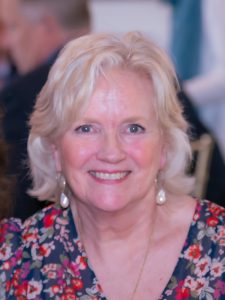
By: Lynda Holler
I have come to understand that the way we die could be the culminating statement of each of our lives. Everything that we do from birth is building and developing to that final moment. Watching my husband, Kenny, die slowly throughout his 21-year battle with oral cancer, solidified the truth that we are role models for the people around us right up to our last breath. It’s with this in mind that I believe our state is making a grave error by radically redefining end-of life-care. Today, Gov. Kathy Hochul is weighing whether to sign assisted suicide into law in New York, thereby encouraging the terminally ill to make suicide their final statement.
If I could tell Gov. Hochul one thing, it would be that the dangers of assisted suicide extend far beyond the impact on an individual patient. It ferments and solidifies the mindset to all of society that we should avoid suffering at a costs, even to the extent of suicide.
The dangers of assisted suicide extend far beyond the impact on an individual patient. It ferments and solidifies the mindset to all of society that we should avoid suffering at a costs, even to the extent of suicide.
Daily, I witnessed Kenny’s positive testimony to family, friends, and medical professionals as he focused on life, not death, impacting people of all ages who were encountering all types of adversities. Five years after Kenny died, I saw his attitude reflected in our youngest son, Tim. After his freshman year of college, Tim was diagnosed with a severe intestinal condition. He suffered immensely; it impacted him socially as well as physically – just as his father’s oral cancer had. It was hard being a college student with special bathroom and food demands living in a dorm. He was an athlete playing college baseball and long games, road trips in vans, and fast-food meals took a physical toll on him. He lost over forty pounds, and it took doctors four years to find medication to relieve his condition. Through it all, like his father before him, Tim accepted and adapted to live his life fully with the handicaps he was dealt.
Senior year, at his college sports awards, Tim was recognized with the coveted Male Pioneer Legacy Award – the highest award given to an athlete at his school. In spite of adversity, he had worked hard to graduate from college and excel in athletics. He impacted the other students, coaches, and athletes that knew him, just as his father’s legacy had influenced him. I am confident that Tim’s attitude toward enduring adversity will prove to be a model for many of them when their challenges come. And I have to believe that if Kenny had chosen to kill himself, Tim’s response would have been very different.
A psychologist that I spoke with explained that when suicide is added to the “menu” of societal behaviors, family and community members come to consider it as an option, whereas when people have not been closely exposed to suicide, they are less likely to consider it.
Assisted suicide has been legal in Oregon since 1997 and the data from there supports this idea of suicide contagion. After suicides decreased in the 1990s, Oregon’s suicide rates rose significantly after assisted suicide was legalized. In 2025, the suicide rate in Oregon is 34% above the national average. People who have experienced suicidal ideations declare that legalizing assisted suicide is tantamount to society encouraging suicide.
Current suicide rates are already staggering. Ten years ago, it was rare to know someone who killed themselves. Now it is rarer not to. Mothers, fathers, children, siblings, friends, students, and patients are increasingly forced to mourn the tragic death of their child, parent, sister or brother, friend, or doctor. Since suicide is a contagion that can repeat for generations, a family’s pain increases exponentially when the first suicide entices a related member to kill themselves too.
Suicide prevention is not enhanced by declaring that some suicides are treatment options.
Suicide prevention is not enhanced by declaring that some suicides are treatment options. With such evidence to suggest that legalizing assisted suicide leads to an increase in suicides, it is unconscionable to consider legalizing this dangerous policy in our great state.
Governor Hochul you must veto Medical Aid in Dying Bill A.136.
Lynda Holler actively writes and speaks in opposition to assisted suicide since 2014 when her husband Kenny died from oral cancer.
Brewster, NY