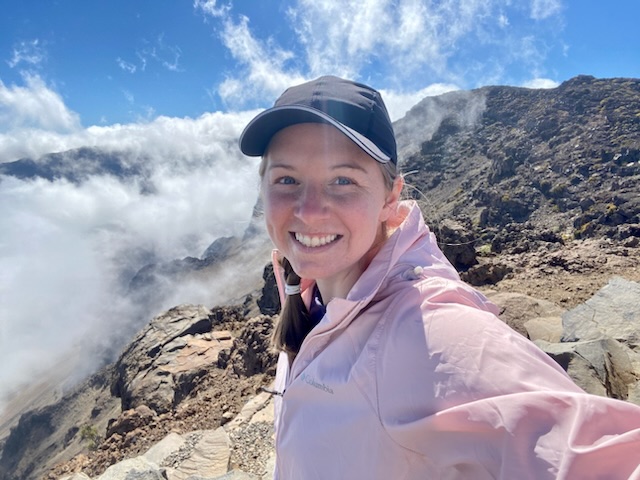
Jane was offered assisted suicide for an eating disorder
For years, we have shared with you breaking news stories to educate yourself and others on the abuses that occur with assisted suicide policy. Matt Vallière recently had a Denver Post piece telling the story of his friend, Jane. The full piece is reprinted below. Jane struggled for years with anorexia and experienced the ultimate failure of medicine when her doctor abandoned her and prescribed her lethal drugs to end her life. For Jane, this wasn’t the end of the story; her father was able to intervene and destroy the drugs that would have killed her. She went on to get the actual help, and hope, she needed to turn things around. How many patients, without loved ones there to advocate for them, had a different ending? As states throughout our country consider legalizing this dangerous policy, remember Jane. Remember the people who are left behind, abandoned, and discarded. Jane’s story deserves to be heard. Jane Allen deserved better than assisted suicide; we all do. |
Assisted suicide was offered to my friend Jane Allen. She had an eating disorder. (Opinion) By Matt Vallière | Guest Commentary PUBLISHED: October 2, 2025 at 5:01 AM MDT The big selling point of assisted suicide laws is that they are supposedly compassionate and a progressive step toward enlightened autonomy. But assisted suicide is anything but compassionate for vulnerable people, like the tragic story of my friend with anorexia, Jane Allen, which shows how assisted suicide laws threaten the lives of the young and curable. There is a controversial diagnosis circulating called “terminal anorexia,” which is an arrow to the heart of young people with eating disorders who are already experiencing distorted ideas of their worthiness to live. Now, where assisted suicide is legal, they have the state and part of the medical profession telling them they were better off dead. After struggling with anorexia for most of her life, in 2018, Jane was living in Colorado Springs and getting help for her mental health disabilities, including her eating disorder. She ended up in the care of an exclusive boutique eating disorder practice. She was in and out of hospitals and residential treatment. Jane’s condition resisted treatment, and she ended up receiving a “terminal anorexia” diagnosis. Jane wrote that her eating disorder doctor, “would ‘make an exception’ for me and ‘allow’ me to die, if that was my choice. It didn’t feel like my choice – I felt coerced and spent an incredibly agonizing months in an assisted living facility.” Jane did not get the lethal prescription directly from her eating disorder doctor; instead, she was referred to another doctor who promptly checked the boxes required under Colorado’s “safeguards,” and saw to it that Jane got the lethal drugs. Jane’s life was saved at the last minute when her father received a guardianship order from a Colorado judge and was able to have the lethal drugs destroyed. After that, Jane said, “I ate just enough to not die right away. And then I ate more. I weaned off the morphine and all the other hospice drugs that kept me in such a fog. I was getting better, and then I was told that I was too much of a liability and dropped from the [boutique] clinic.” “I moved from Colorado to Oregon. I have a job that I love, a new puppy, and a great group of friends. I’m able to fuel my body to hike and do the things I love. I’m repairing my relationship with my family, and I have a great therapist who is helping me process all of this. Things obviously aren’t perfect, and I still have hard days. But I also have balance, and flexibility, and a life that is so much more than I was told would ever be possible for me.” A week before she planned to go public with her story, however, she died suddenly of complications to her health caused by over two decades of starving herself. To this day, I wonder whether the months of treatment lost during Jane’s detour into “terminal anorexia” care worsened her condition, whether she could still be with us today, doing all the good. We’ll never know… What we do know is that these laws are not so rosy as the propaganda would have you believe. They are as messy as life itself and there has been and will be more collateral damage in people like Jane or Coloradan, Mary Gossman, who was told by a nationally renowned Denver eating disorder treatment facility, “there’s nothing we can do for you,” which qualified her for lethal drugs under the law. She’s in a better place now and has joined as a plaintiff in a lawsuit to overturn the law. So, I ask: how many collateral deaths are acceptable to you? For whatever purported good they do, these laws just aren’t safe. |